Is Slay the Spire 2 worth it in early access?
Nearly nine years on from the release of the first game, Slay the Spire 2 has arrived in early access. The roguelike deckbuilder sequel has been an enormous smash hit, currently bringing in over 500,000 concurrent players at peak times.
But it’s still got a long road ahead of it. According to developer Mega Crit, it could be in early access as long as two years while it adds “more gameplay content, a true ending, various game modes”, and a lot more. So what should you expect from the current build, and is it better to jump in now, or to wait for a more complete experience later?
Slay the Spire 2 features

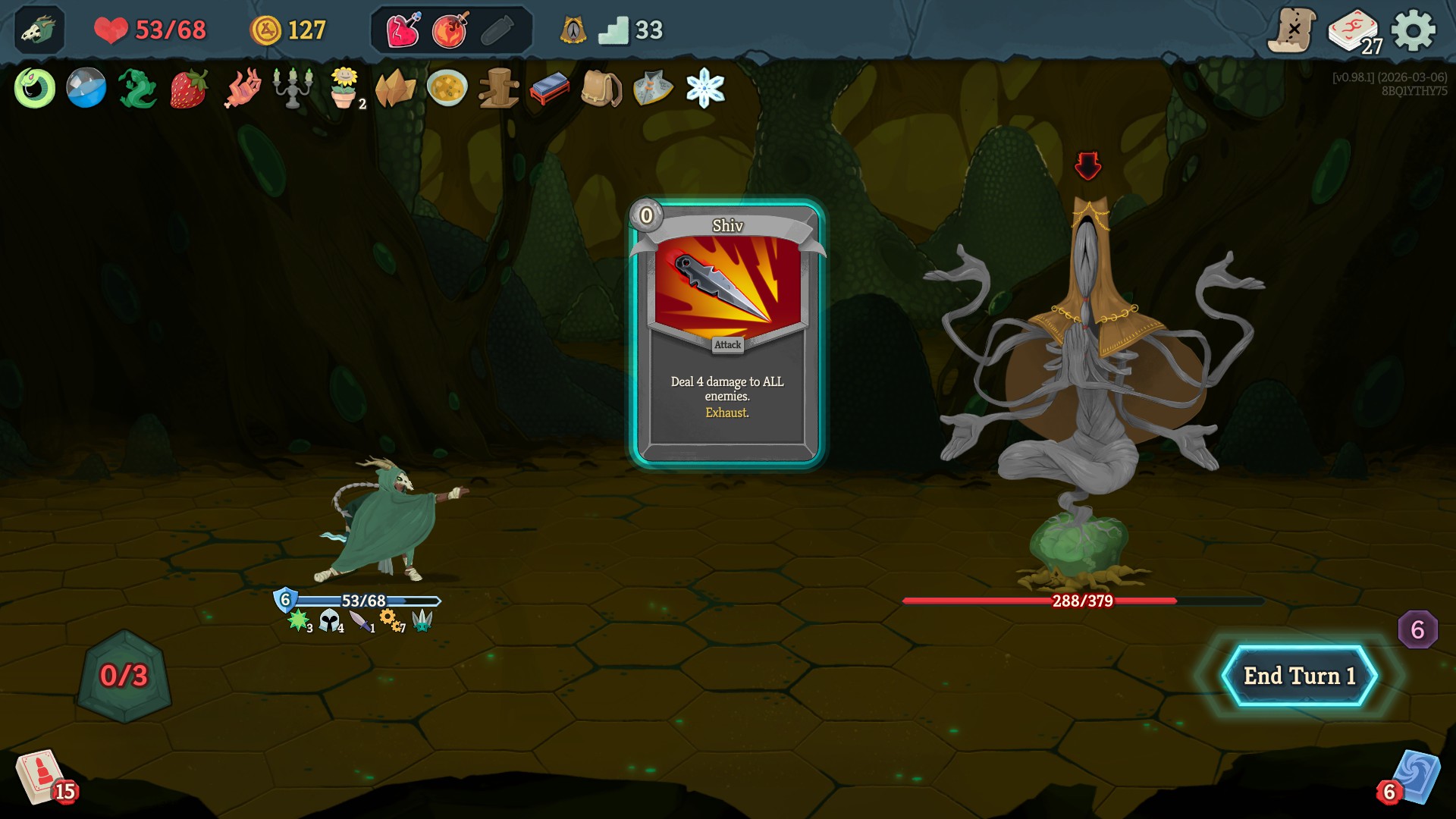
Slay the Spire 2 is a roguelike deckbuilder, very much in the same style as the landmark first game. On each run, you progress through a series of turn-based battles in which you play cards to trigger your attacks and abilities. Defeating foes gives you new cards to add to your deck, allowing you to gradually build into different synergies and strategies.
Article continues below
Winning requires you to refine your deck into the most powerful set of combos you can achieve, taking advantage of interactions between cards as well as the effects of potions, relics, and enchantments.

The game includes 100s of cards and relics, and over 60 potions, as well as a wide variety of enemies and bosses. There are also five playable characters, including three—the Ironclad, the Silent, and the Defect—returning from the first game. The Regent and the Necrobinder are the new arrivals—the former a lazy alien monarch who can summon cosmic forces, and the latter a necromancer with a giant skeletal hand familiar.
There is only one singleplayer mode, but veterans of the first game will know that there’s huge replay value in playing different characters and decks, and working your way up through Ascension, the game’s ever escalating series of difficulty levels.

You also unlock Epochs as you reach different milestones in play, revealing elements of the backstory of the game along a timeline.
In addition to singleplayer, Slay the Spire 2 introduces a co-op mode to the series, in which up to four players can play through a run together. Each of you has your own hero and deck, but enemies are battled together, allowing you to combine your strengths to defeat them. As it stands there is no matchmaking for this mode, so you can only play with others by inviting your friends—but frankly, given the level of communication required to succeed, you probably wouldn’t want to match up with random teammates anyway!
How early access is it?
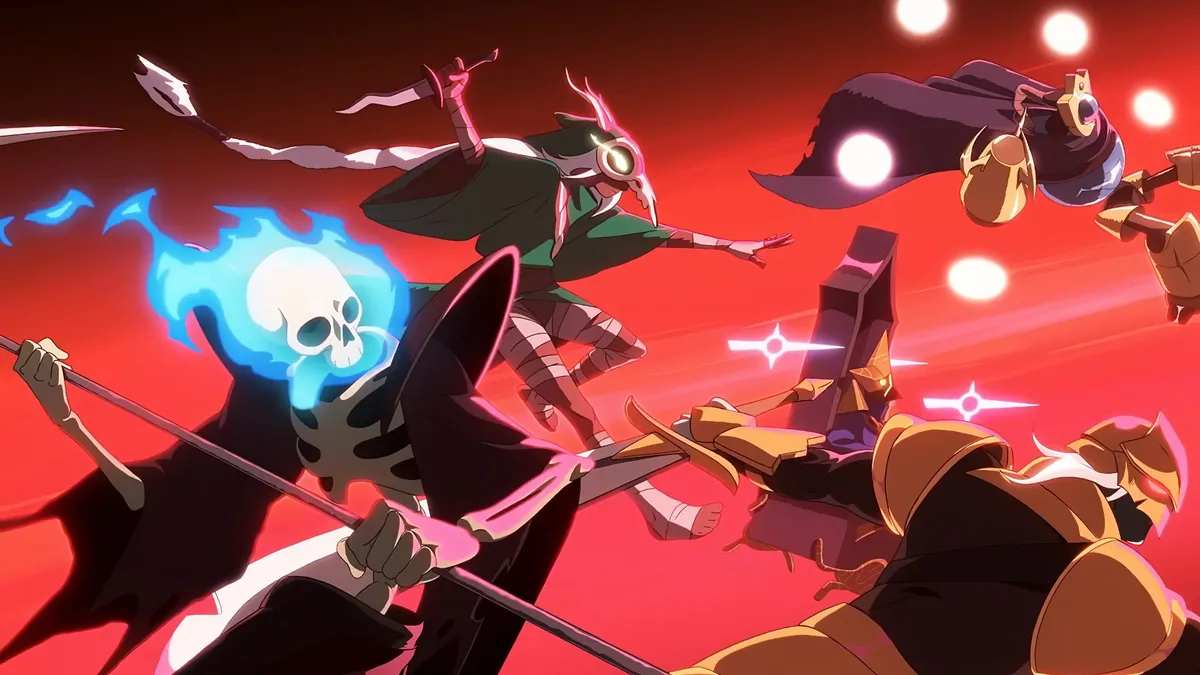
There’s a lot of content already in Slay the Spire 2. Even by the time the first game hit 1.0, it only had three characters—this game already has five, with a larger pool of cards to match.
All three acts are already in there, allowing you to complete a full run, and there are 10 levels of Ascension to work through with each character. As long as you enjoy the repeated randomised runs typical of the roguelike genre, you could probably hit 100 hours or even more in the current build before you run out of things to do.

However, there are a few elements that are currently missing. Perhaps most importantly, it does not appear that there is any way to achieve a ‘true ending’ right now. In the original Slay the Spire, it is possible over time to discover how to extend a run past the end of Act 3 in order to fight the true boss of the game, the Heart. In this game, the Architect you meet at the end of each run seems set to serve the same role, but there does not currently seem to be any way to fight him, which does give the game less of an over-arcing goal or satisfying conclusion.
The new Epoch system is currently quite bare-bones. Many of the lore snippets you can unlock feature placeholder art, and in some cases even placeholder text telling you to simply wait for future updates.

I would also expect some major updates to the game’s co-op mode. In its current form it does feel a bit half-baked, particularly when it comes to the UI. There isn’t a quick and easy way to see what hands your fellow players are working with, and in-game communication tools such as pings feel very limited.
Actually coordinating between players can be very laborious—and highly reliant on external voice chat—as a result, and often it just feels like playing Slay the Spire 2 alongside your friends rather than really working with them. The mode would also benefit from more cards and relics specific to co-op, to create more interesting synergies across your team.
Is it worth it?

Slay the Spire 2 is starting off its early access journey in a great spot. It feels polished, there’s lots to do, and you can already play a full run. It carries forward the brilliantly strategic formula of the first game, encouraging you to experiment and discover until you’re building deck combos so wild it feels like you’re breaking the game.
I do, however, have some misgivings about whether Slay the Spire 2 is worth it in its current form.
My biggest criticism of the game is simply that it is currently much too similar to its predecessor. While there is a lot of content, much of it—including three of the characters and many of their associated cards—is essentially recycled from the first game.

If you’re a Slay the Spire veteran, the sequel is a cosy nostalgia trip, but also overly familiar—to the point I found myself winning runs with pretty much the same decks I was using eight years ago. If, like me, you already got 100s of hours out of the first game, Slay the Spire 2 may feel a little stale.
For someone brand new to the series, that won’t be an issue—and this is definitely a bigger, more visually appealing alternative to the first game, even if it’s still in need of updates to reach its full potential.

I would say, though, that the lack of innovation in this sequel may make it seem old-fashioned to fans of more recent roguelikes such as Balatro or Monster Train 2. Slay the Spire is a true classic, and one of the most foundational and influential roguelikes of all time—and in many ways, it holds up beautifully. But a lot has changed in the genre in the nearly nine years since it originally came out, and I don’t think Slay the Spire 2 reflects that. Meanwhile, some of the great innovations of the first game are now things we simply take for granted—they’re no longer impressive in 2026.
After about 20 hours with Slay the Spire 2, I personally already feel like I’ve seen more than enough and want to wait for new updates to get a better sense of how they might be shaking up or expanding on the formula before 1.0.

⚔️ If you’re a Slay the Spire veteran: This is a new and improved version of the game you love, but just be prepared for it to feel very familiar—at times more like an impressive remake rather than a big new sequel. If you’ve been keen for more of the same, you’ll be happy, but if you already rinsed Slay the Spire for all it was worth, there may not be enough new features here to hook you in yet.
🃏 If you’re a roguelike deckbuilder fan who’s never played Slay the Spire: It’s a great introduction to the series. Don’t go in expecting a huge new step for the genre, or anything you’ve never seen before. But if you want pure, engaging, in-depth deckbuilding, Slay the Spire 2 provides it in spades.
⚠️ If you’ve never played a roguelike deckbuilder before: I fear Slay the Spire 2 could be a steep learning curve for you. In many ways such a foundational series is a great introduction to the genre, but this is a difficult game with a lot of obtuse elements it expects players to simply already know from the first game. You might have a smoother journey into the genre with a more modern-feeling roguelike deckbuilder, such as Balatro, Monster Train, Cobalt Core, or one of my personal favourites Wildfrost, all of which are also full releases that won’t leave you waiting on early access updates.