How Demi-Fine Jewelry Designers Are Handling Spiking Gold Prices
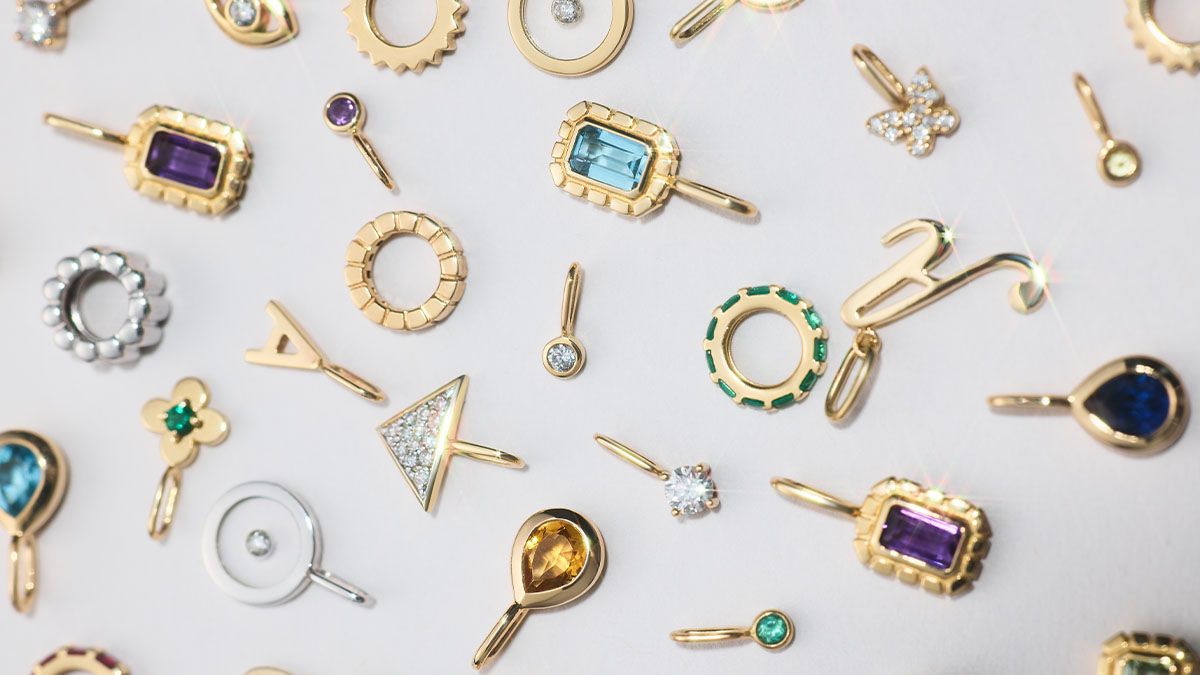
Today, other brands are following suit, like Mejuri, the latest affordable luxury jewelry brand to focus on the 10-karat space. The brand previously only offered 14-karat items and 18-karat vermeil.
Mejuri announced a price increase in a letter to customers on March 9. Some of its bestselling pieces, like its 14k hoop earrings with a mere 18-millimeter diameter, went up in price by more than 20%. They now cost nearly $400. “This shift ensures we never compromise on the quality or the values that brought you to us in the first place,” the brand’s CEO and co-founder, Noura Sakkijha, wrote in her announcement.
Sakkijha also said that Mejuri is “focusing on introducing more 10k gold into our collections alongside 14k gold. This lets us offer the durability of solid gold at a more approachable price, while still designing in 14k for those who prefer it.”
Even if 10k gold is cheaper, it can still be expensive for brands as they navigate unpredictability in price. “We’re trying to find ways to mitigate the volatility of the metal, and it’s almost like every technique they used to have in the industry for the last couple of years is out the window because the volatility has increased so much,” Benayoun says.
Benayoun is using gold locks, in which the brand pays a deposit on the gold it plans to use over a set timeframe. This costs Ana Luisa more upfront, but the deposit helps keep jewelry costs stable and, in turn, pricing less volatile, even if the market price of gold changes.
Undiluted and unflinching
Some brands want to avoid diluting their solid gold lines and plan to maintain higher karatage. For these labels, cutting costs — without sacrificing product quality and raising prices as little as necessary — is key.
Monica Vinader CEO Sebastian Picardo is working hard to “find opportunities to unlock operational efficiencies”. Right now, that has included looking into “standardizing components like clasps across key categories to achieve economies of scale”, he explains. Having the same clasp across different products can mean, for example, the company can order them at a better price, just because it’s ordering more of them.
Picardo says his team is constantly looking at price elasticity, reserve values, and key price moves to anticipate future fluctuations. Picardo says the brand deploys financial instruments like forward contracts to “hedge some of these [gold] price increases… to have certainty as to what the price will be, so that when we buy and price the product, and we sell it, we know roughly what the cost will be.”
Production time plays another role in how a brand thinks about hedging gold costs. For example, Angara produces its jewelry made to order and buys gold daily. Eighteen-karat yellow gold sales are up over 100% year-on-year at Angara in February 2026. But the brand took a gross margin hit from December 2025 to February 2026, “thinking that prices, just because they went up so quickly, may come back down”, he says. In the future, the brand may need to update prices quarterly, as prices are rising so quickly. Daga now says the brand is considering using less gold and focusing new pieces on gemstones to hedge costs.