
“Have you tried an adaptogen like saffron?” my psychiatrist asked me during our quarterly check-in after I explained I had been experiencing some pretty glum mood shifts, frayed nerves, and task paralysis due to the mounting stress I was feeling. My normal “reset and recalibrate” methods weren’t working like they normally did.
Though I hadn’t then sought out adaptogens specifically, as someone with a decade’s worth of health and wellness reporting, I am pretty much willing to try anything once. Per my doctor’s recommendation, I started incorporating adaptogens—specifically, Ritual’s Stress Relief BioSeries—into my routine. While I can’t say that it completely eliminated my stress (I’m a perfectionist, an eldest daughter, a people pleaser, and a Pisces—stress is practically woven into my DNA), I can say that I measurably felt clearer, lighter, and more ready to take it on. When my blah mood is my biggest roadblock, adaptogens help me clear the path to shift out of it.
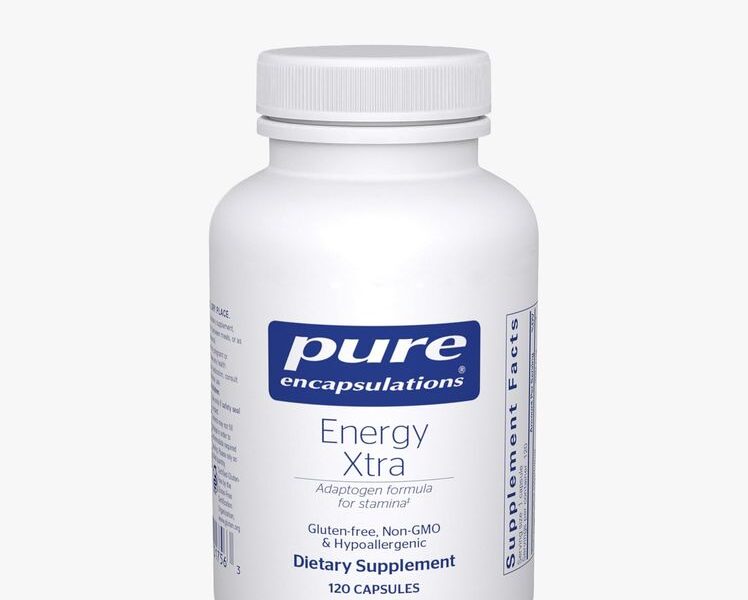
Vogue’s Favorite Adaptogen Supplements:


If it seems like adaptogens are everywhere, you’re not imagining it. According to Grand View Research, the U.S. adaptogens market is set to grow steadily by 2030 thanks, in part, to rising consumer awareness and desire to find natural solutions to cope with everyday stress. Adaptogens do just that (and as the name infers)—they help the body adapt to stress. Long term stress can disrupt the balance of something called the hypothalamic-pituitary-adrenal (HPA) axis—our brain’s “power grid.” The working theory is that adaptogens may help reduce something called allostatic load, which Taylor Fazio, a New York–based registered dietitian and wellness advisor for The Lanby, says is “essentially the wear and tear that builds up in the body when stress systems are activated too often or for too long. Depending on the herb, that may look like modest changes in cortisol patterns, improvements in subjective stress, sleep, fatigue, attention, or recovery,” she says.
However, adaptogens regulate pathways beyond cortisol levels. “Cortisol gets the most attention because it is easy to talk about and easy to measure,”Fazio says. “But adaptogens appear to interact with a wider network that includes the sympathetic nervous system, inflammatory signaling, oxidative stress pathways, immune function, and in some cases neurotransmitter systems such as GABA.” Keep in mind though that not all plants and mushrooms are adaptogens. “There are specific scientific criteria that adaptogens must meet in order to be considered an adaptogen,” says Erica Casavecchia, MS, a New York–based integrative nutritionist and founder of Casawell Health. “Adaptogens must not harm how the body normally functions, they must maintain homeostasis in the body and help to bring balance back to the body, and they must increase the body’s ability to handle a wide range of stressors.” Some popular examples are ashwagandha, rhodiola, ginseng, saffron, reishi mushroom, and more.
While they can be an incredible tool, it’s important to keep expectations realistic. “Adaptogens aren’t resetting the nervous system but rather acting like supportive tools in the context of a broader lifestyle and medical care,” says Fazio. “At the moment, there is still a gap between the potential around adaptogens and the strength of the evidence.”