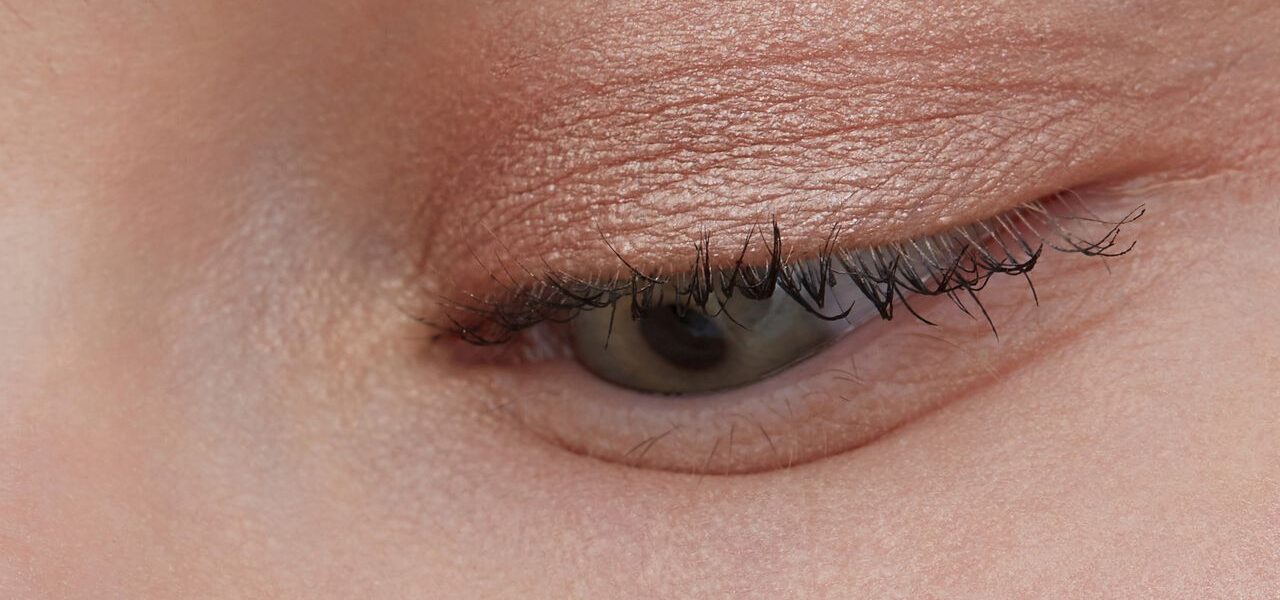

Whether you’re perpetually tired or just going through the natural process of getting older, undereye bags are a top skin concern for many. There are a lot of things you can do to address the puffiness, but one of the best—and easiest—ways is to reach for a good ol’ eye cream with peptides in it.
For those who have somehow escaped its looming presence in all current beauty discourse, peptides are short chains of amino acids that have been a skin-care staple in boosting and maintaining skin health. Fine lines, sagging skin, uneven texture—peptides do a lot. And where undereye bags are concerned, they may be the key to looking brighter, more lifted, and more awake.
How Peptides Work for Undereye Bags
“Peptides address [undereye bags] at a foundational level, stimulating collagen and elastin production to improve firmness, reduce the appearance of fine lines, and support the skin’s overall structure,” says Antony Nakhla, MD, double-board-certified dermatologist and founder of Eighth Day. “Certain peptides also help with dark circles by improving microcirculation and reducing hemoglobin breakdown beneath the surface. The result over time is a more rested, lifted appearance.”
Helen He, MD, director of lasers and cosmetic surgery and co-director at the Mount Sinai-Clinique Healthy Skin Dermatology Center, agrees and breaks down the four main types of peptides used in our skin care:
- Signaling Peptides: These will instruct cells to make more collagen and elastin.
- Carrier Peptides: These will deliver trace minerals like copper and manganese to cells.
- Neurotransmitter-inhibiting Peptides: These can mimic the action of neuromodulators like Botox.
- Enzyme inhibitor Peptides: These block the biological pathways that are involved in hyperpigmentation and the breakdown of collagen.
As with most ingredients, you’ll see results when you consistently use them in your skin care. Dr. He says that you’ll typically see improvement in texture and color around the four-week mark, while a boost in collagen production is a gradual process that can take at least three to six months before you start noticing a difference. One notable exception, she says, would be argireline peptides, which are known to have Botox-like effects that are more immediate and last as long as the product is being used.
The Downsides
Topical peptides are considered safe and tolerable for most people. But there are a few things to take note of. Because the undereye area is thin, Dr. He says it is more susceptible to irritation. So be careful, as some formulations may cause contact dermatitis in sensitive skin. Also, if you are dealing with skin conditions such as eczema, she recommends doing a spot test before applying anything near your eyes.
Dr. Nakhla adds that peptides should not be considered as a replacement for more targeted concerns (significant volume loss, pronounced hollowing, or severe skin laxity) and that these may need to be addressed with stronger in-office treatments or surgery.
Peptide Injections for the Eyes Are Not Regulated
While everyone seems to be injecting (or even snorting) peptides for almost everything these days, you may want to avoid any injectable peptide treatment that targets the eye area altogether. Dr. He explains that the safety and efficacy of injectable peptides in general are still limited. Since there isn’t a standard regulation across peptide formulations or FDA approval for these treatments, it’s probably best to seek alternatives if you want an in-office treatment.