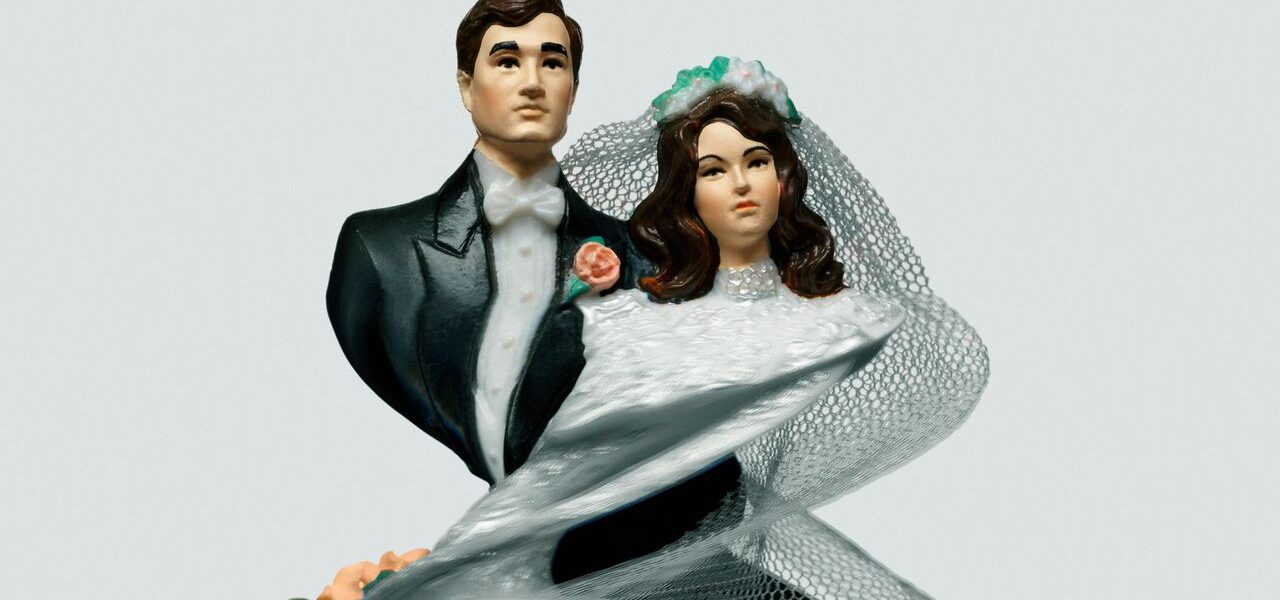

For generations, wedding preparation has come with an unofficial beauty regimen: crash diets, intense workout plans, teeth whitening, spray tans, a last-minute facial. The months leading up to a wedding have long been framed as a period of transformation—a chance to look and feel like the “best version” of yourself before walking down the aisle.
But today, that transformation is increasingly medicalized.
Across group chats, bridal forums, and doctors’ offices, a growing number of engaged couples are turning to GLP-1 medications—drugs originally developed to treat diabetes and now widely prescribed for weight loss—as part of their wedding preparation timeline. The medications, which include drugs such as semaglutide and tirzepatide, have become shorthand for rapid, visible body change. For some couples, the wedding itself is the catalyst.
That shift is now measurable. According to new data from Zola, one in 10 couples planning 2026 weddings say they are currently using a GLP-1 medication, and more than half of those couples (54%) say their wedding influenced that decision. An additional 10% say they are considering taking a GLP-1 ahead of getting married.
“I’m getting married in May, and I’m on a GLP-1 to drop pounds before the wedding,” says Nicole Frates, a bride-to-be who began taking the medication during her engagement. “Wedding-specific moments definitely intensified my body awareness. I actually put off shopping for my wedding dress because I was trying to lose weight on my own for a few months first.” When progress stalled, Frates decided to try medication. “I wanted to see results and feel more comfortable and confident going into this season,” she says.
Her experience reflects a broader shift in how wedding culture intersects with beauty standards. Where previous generations might have turned to boot-camp workouts or restrictive dieting, the contemporary pre-wedding glow-up increasingly includes prescription interventions—from injectables to medical weight-loss drugs.
And GLP-1s are just one piece of a larger escalation. Roughly one in four Gen Z couples report getting Botox or similar treatments leading up to the wedding, suggesting that the pressure to look a certain way extends far beyond weight loss alone.
“We’re seeing a massive shift in how our couples navigate the intense pressure of the modern wedding, which is increasingly influenced by social media,” says Samantha Kobrin, head of brand at Zola. “10% of couples currently use GLP-1s, and for over half of that group, the wedding is a primary motivator. It’s a real catch-22. While our couples want to dismantle ‘wedding diet culture,’ the pressure to look a certain way remains their top stressor. As these treatments become more and more normalized, they’re fundamentally changing the wedding day vision—shifting how couples approach their physical preparation as they curate their looks for the FYP.”
Part of the pressure stems from the symbolic weight placed on wedding imagery. “Your wedding day is culturally messaged as one of the most representative days of your life,” says beauty critic Jessica DeFino, author of the newsletter Flesh World. “These are photos that you’ll presumably have forever and display forever.”
Because of that permanence, she explains, everyday beauty pressures suddenly intensify. “The ambient messaging we get around fitness and beauty goes into overdrive when a wedding is on the horizon,” DeFino says. “You want those photos to reflect the best version of yourself—not just for yourself, but for everyone who will be seeing them forever.” GLP-1 medications, which promise relatively rapid results, can therefore feel like a logical solution within a culture that prizes visible transformation.
But weddings also create a deadline that doesn’t exist in ordinary life. “Health isn’t one static thing,” DeFino says. “Bodies fluctuate over time, and that’s normal. But weddings take one moment and hold it up as representative of your health and your life.” In other words: the wedding body becomes a final product.