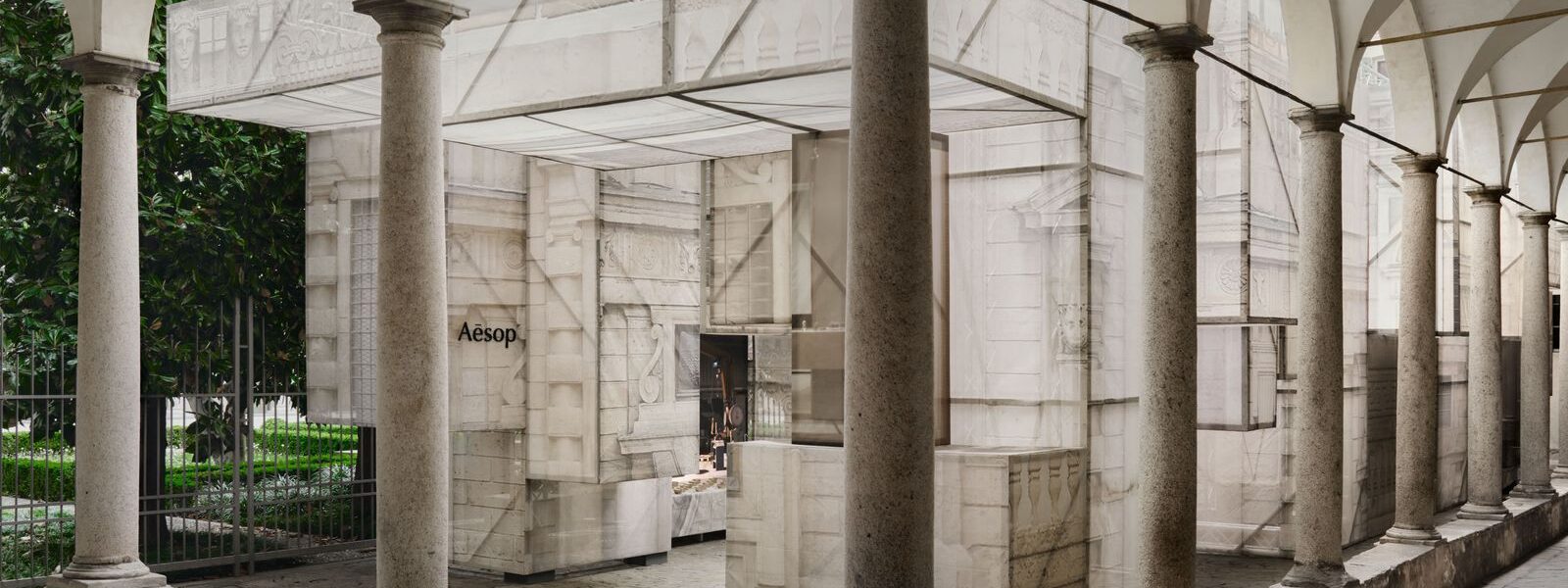

Every April, for one rarified week, Italy’s financial capital transforms into a hub of furniture and interior design. If you’re not zipping between the 350-plus Milan Design Week side events on a Vespa, you’re racking up 20,000 steps a day. Around Milan, the most sought-after events have queues around the block, and at aperitivo hour, crowds spill onto the street.
There is the official fair and trade show, the interiors-focused Salone del Mobile (or Salone for short), and satellite events such as Alcova, spotlighting international and emerging talent. Several neighborhoods — including Brera and Isola — have their own design festivals running concurrently, and almost every shop and gallery stages a special offer or installation to attract the throngs of could-be customers.
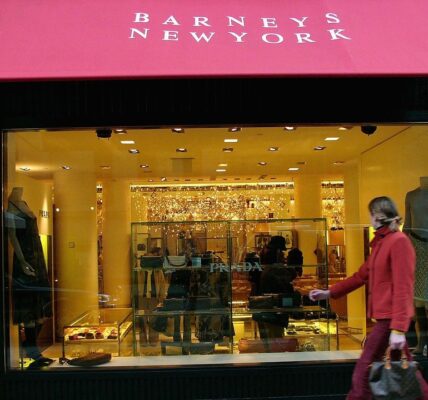
Fashion didn’t always have a strong presence here, however. But now, Salone is just as “over-packed” with respective brand activations as fashion week, says serial attendee and Tank Magazine CEO Caroline Issa. More than 30 fashion brands appeared on this year’s schedule, including Dior, Louis Vuitton, Hermès, Prada, Gucci, and Jil Sander. It makes sense: Salone is a global event only growing in popularity, with enough parties to generate serious buzz, and enough money floating around to make it worthy of brands’ time. But standing out in the crowded schedule is no small feat, and those showing up have to work hard to justify their presence.
“Sometimes, the fashion activations can feel too gimmicky or overwrought, too tangential, without the credibility to feel authentic,” says Issa. “[It seems like some brands are] doing something for the sake of having a press release about participation.”

This year, fashion and automotive brands ramped up their presence even more, with many attendees lamenting the increasingly commercial nature of Salone, and the struggle to discover truly game-changing, underrepresented talent. Other art fair attendees report something similar: fashion brands have also felt the gravitational pull of Art Basel and Frieze as of late, noting the opportunity to win over high-net-worth individuals. Writer, designer and member of the Missoni family Margherita Maccapani Missoni says Salone in its current guise has “two layers that are diverging more and more” — the professional furniture world and the “mega-marketing moment” every brand seems to be clamoring to capitalize on.
“Salone was originally a fair, and that is still there. Then, the Fuorisalone [the decentralized side program] began to take shape, as all these creative people from the design world were in town at the same time, and so fun parties and gatherings started happening. The more popular it got, the more fashion began to take part in it,” Missoni says. “I actually see it as a great opportunity. It also happens at a time of year when fashion is very active, with major collections dropping, so I’m not bothered by the contamination.” (Among the more surprising crossovers this year was a sale of ceramic Bambis hosted by Maccapani Missoni’s mother, Angela Missoni, drawn from her personal collection).