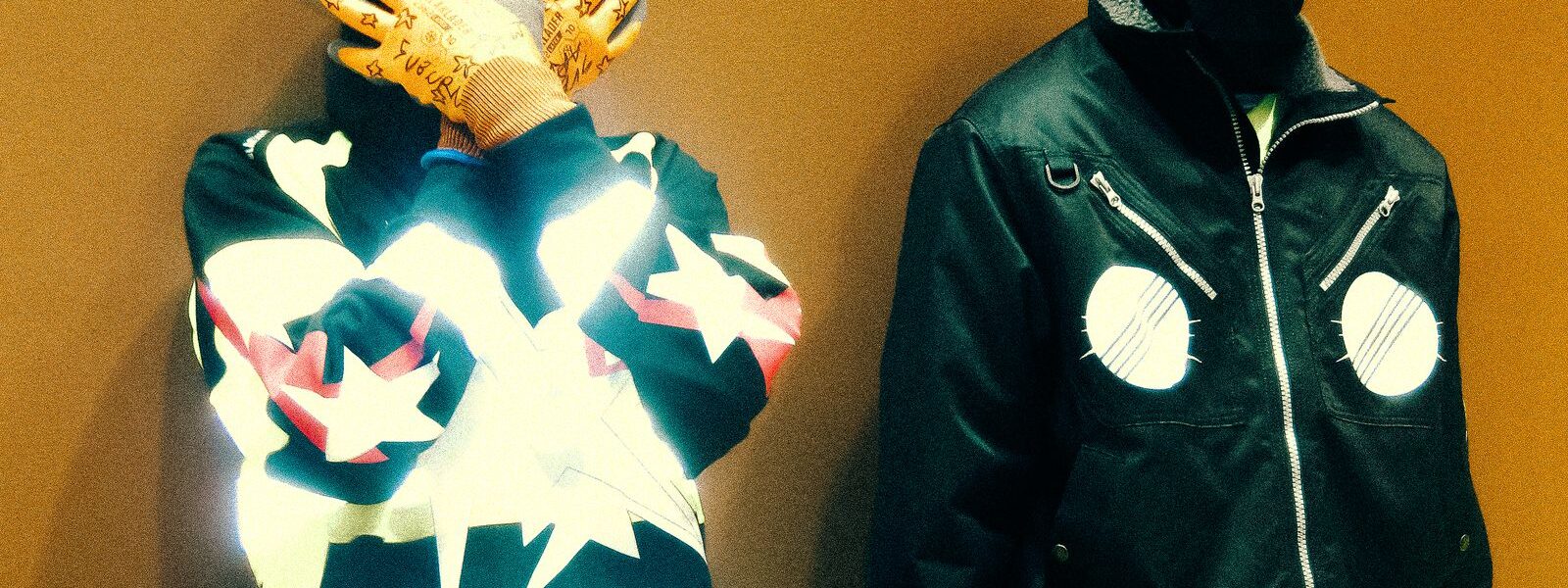

Bygdetrapen delighted in the idea of applying that sound to a genre so closely associated with urban life. “We thought it would be cool to make this kind of hard hip-hop in, like, this weird dialect that doesn’t really have anything to do with hip-hop at all,” Subaru explains.
HC, who is soft-spoken in regular conversation, gives a driving force to that dialect with a delivery that is staccato and authoritative—part drill sergeant, part machine—though it should be noted that Bygdetrapen do not use autotune, preferring the raw, jagged edges of their own voices. “My father, he has always spoken [the dialect],” HC says. “When I found my voice and how I wanted to rap was when I imagined myself rapping how my dad speaks.” Subaru’s sound, by contrast, is warmer and softer. “You could say my voice is more boyish or less masculine, maybe. For Norwegian people I have a kind of childish tonality.”
The duo, friends since sixth grade, have been making music together for about three years (they both also have solo projects). They started to gain traction in January, with the release of “Arctic Cat.” The song and its relentless, driving beat were inspired by a visit to a gas station in a remote town, where Arctic Cat T-shirts were for sale. (Arctic Cat is a popular snowmobile brand.) “It sparked memories for us,” Subaru says.


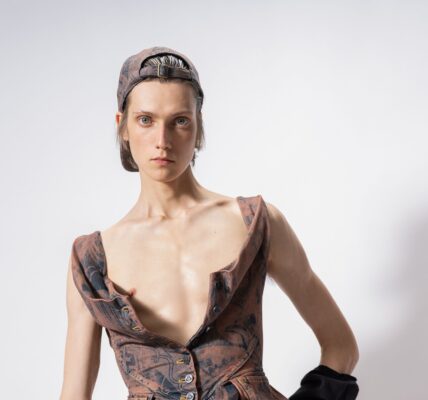
Just as Bygdetrapen make use of the local sound, they have adapted the local uniform. “We use a lot of neon reflectors and camouflage because we’re from places where people wear that normally,” Subaru explains. “We really just want to push that because that’s very, like, the opposite of what’s cool in hip-hop, or whatever.” The duo favor Swedish brands Blåkläder and Biltema, and they like shopping at cheap-workwear.com. They’ve also taken to covering their faces with balaclavas and ski goggles.
But even behind masks, Bygdetrapen are quickly gaining renown. They dropped Mixtape, their first album, on the first Monday in May. Subaru is its main producer, though five other talents, including Swedes Gud (Carl-Mikael Göran Berlander) and Woesum (Arthur Carl Nyquist), also made contributions. “They’re doing something new that I’ve never heard before,” Woesum says. “I’m a big fan of their production and the direction they’re taking their music. I think they can go a long way, and when they asked me to work with them it felt like a given.”