
Hermès reported that revenues reached €4.1 billion in the first quarter of 2026, up 5.6% year-on-year at constant exchange rates, but below expectations of 7% growth. This marks a deceleration compared with the fourth quarter, when sales were up 9.8%. Hermès stock was down 12% in Wednesday trading.
The luxury house continues to outperform the industry, albeit at a slower pace than previous quarters. On Monday, LVMH reported Q1 group sales up 1% to €19.12 billion, with fashion sales down 2%. On Tuesday, Kering reported flat sales at €3.57 billion, with its largest brand Gucci slipping 8%.
“The first-quarter pattern echoes 2025, when a soft start in Q1 gave way to sequential acceleration through the year,” Thomas Chauvet, managing director at Citi, wrote in a note.
Hermès said sales in Asia (excluding Japan) were up 2.2%, while Japan was up 9.6%. Sales in the Americas were up 17.2%. Revenue from Europe (excluding France) was up 9.7%, while France was down 2.8%, hit by a significant drop in tourism flows notably from the Middle East. Sales in other markets, including the Middle East, also were down 5.9%. The region accounts for 4.3% of Hermès revenue, with the company estimating a 1.5% decline in Q1 due to the ongoing conflict. Management noted a slight sales improvement in the Middle East in early April.
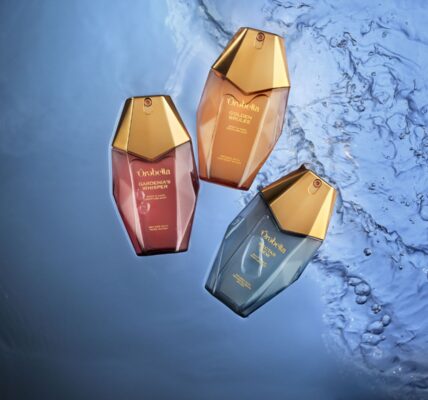
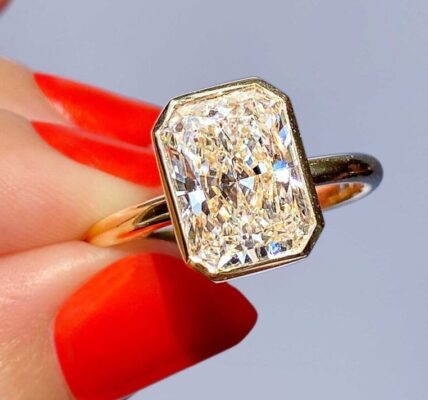
The leather goods category led the charge, with sales up 9.4% for the quarter. Revenue from ready-to-wear and accessories was up 0.4%; silk and textiles up 7.8%; other sectors, including jewelry (up almost 10%) and home, were up 6.8%; perfume and beauty up 0.2%; and watches were down 3.7%.
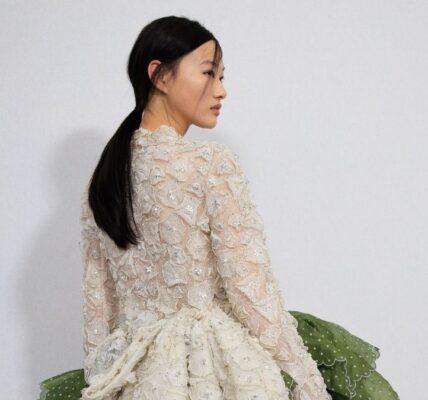
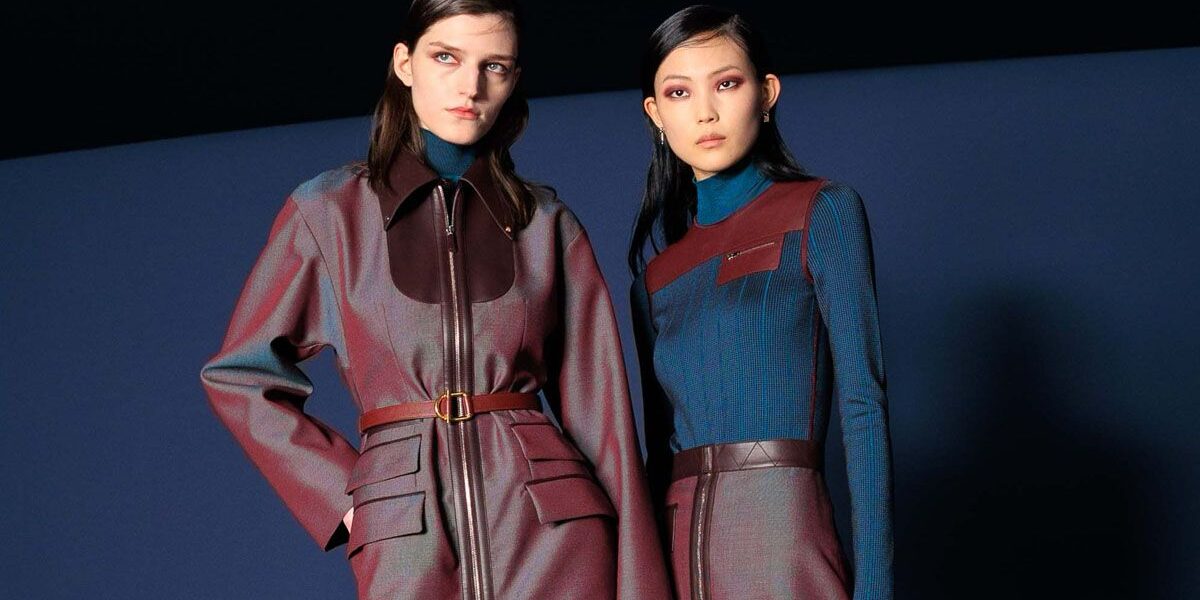
On the strong deceleration in ready-to-wear and accessories, which went from 7.1% growth in Q4 to flat in Q1, EVP of finance Eric du Halgouët said ready-to-wear and shoes in particular were impacted by a slowdown in both the Middle East and France. Sneakers and the Oran sandals typically perform very well in the Middle East. However, he highlighted “the excellent sell-through rates of the new Spring/Summer 2026 women’s and men’s collections”, adding that the core ready-to-wear and accessories business “remains solid”.
“We expect more questions today, as the market ponders if the ‘more of the same’ Hermès model may be reaching its limit,” wrote Bernstein luxury goods analyst Luca Solca.
Asked during the earnings call on Wednesday if Hermès could consider changing its growth strategy, notably in light of fierce competition from renewed creativity at Chanel and Dior, du Halgouët dismissed any changes. “It’s the creative work that will play the key role,” he told analysts. “Creativity remains at the core, and we’ll stick to our fundamentals, which are freedom of purchase and freedom of creation. As we’ve clearly seen in the latest collections, all the new products have been successful.”
Hermès executive chair Axel Dumas said in a statement: “In a tense geopolitical environment, Hermès maintains its course, true to its long-term strategy. Supported by its abundant creativity, its uncompromising quality and the loyalty of its clients, Hermès is continuing its profitable growth in 2026 with confidence and conviction. The fundamentals of the Hermès model are more than ever a differentiating strength.”