
Over the past year, our feeds have become saturated with AI-generated content and endlessly recycled recommendations, favoring speed and volume over substance. It feels like every other video is pushing product, and so it’s no surprise that Gen Zs feel like they’re constantly being sold to online.
This new algorithmic reality is giving rise to a new creator class. Enter the intellectual influencer, who distinguishes themselves by creating content rooted in their expertise, hyperfixations, knowledge, or insights on a specific subject, rather than their looks or style. In 2023, trend forecasting consultancy The Future Laboratory predicted the rise of this creator group. But in recent years, as intellectual corners of the internet like #booktok have hit the mainstream and platforms like Substack and Discord have surged, fashion brands are finally taking note of this creator class to build more resonant connections with consumers.
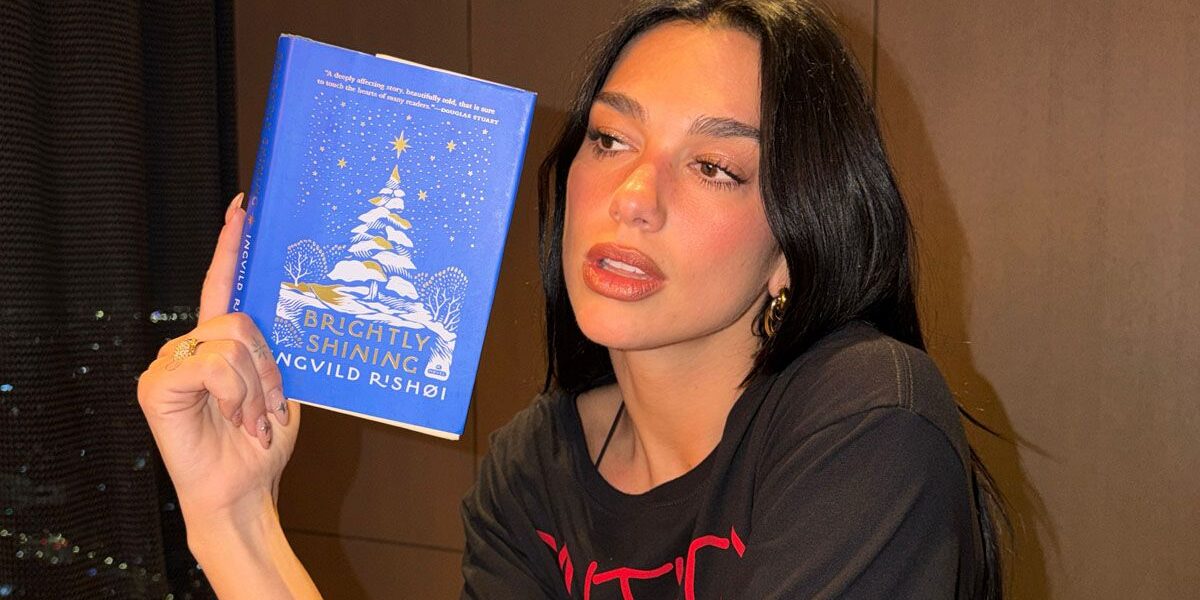
Last month, Substack writer Zara Wong shaped luggage brand July’s transition into handbags, co-creating an edit for their site and in-store, while Vivian Tu, founder and CEO of the business podcast Your Rich BFF, has worked with Depop since December to reframe resale through a financial lens. Elsewhere, wellness podcaster Jay Shetty attended Jonathan Anderson’s Dior debut men’s collection in June 2025. And the internet’s self-proclaimed “resident librarian” Jack Edwards — who has become a regular attendee at Valentino events — joined Esquire as a contributing literary editor earlier this year. Taken together, it suggests a widening definition of fashion authority — one that is shaped by those who can interpret culture as much as by those who participate in it.
The intellectual influencer leads the anti-slop agenda
The momentum of this expert class is less a new type of creator than a response to what our feeds have become, experts agree. “During a moment defined by anti-intellectualism, escapism, and AI tools that let you skip cognitive work entirely… intellectual creators are doing something kinda countercultural,” says Death To Stock’s culture researcher Agus Panzoni.
These influencers, who have already built established communities around intellectual pursuits, hold greater meaning and engender more trust than pay-to-post creators. “Against a backdrop of AI reliance, attention hacking, and short-form overload, audiences have started reaching for something that actually means something… depth has become its own signal of credibility,” says Eve Lee, founder of creative agencies Digi Fairy and Source Material.
“Audiences have so much insight, transparency, and cynicism around the inner workings of advertising right now,” says fashion commentator Rian Phin, noting growing skepticism towards creators who appear too easily aligned with brand agendas.
“[Today, they] expect value-driven content…They want a strong perspective and informed opinion.” Phin notes that she trusts intellectual influencers like scientists or scholars more readily than traditional creators, even when they’re posting fashion content or beauty routines, because their sole career focus isn’t simply selling stuff.
Knowledge-seeking is also increasingly becoming an important shared activity. As Panzoni observes, it is now “a site of belonging”, with Gen Z gravitating towards book clubs, lecture series, and reading cafés as social spaces. Intellectual life is no longer confined to solitary study, but embedded within community — a shift that helps explain the growing appeal of this creator archetype.
The value of sparking conversation
Brands wanting to work with intellectual creators should focus on substance, authorship, and cultural relevance. “It’s such a waste of someone’s trust with their audience to ask an intellectual influencer to do a cheesy unboxing, GRWM, or try-on haul like every other creator on every other campaign,” Phin says. “It doesn’t mean long videos, it means tailor the ad to what actually sets them apart. Campaigns must be uniquely tailored to the content they make, otherwise it has the opposite effect.”